
what makes a character introduction iconic?
that people still talk about it decades later

Hi friends,
If I say iconic character introduction - who comes to mind?
Maybe Darth Vader stepping through smoke in Star Wars: Episode IV – A New Hope.
Maybe Indiana Jones emerging from the shadows in Raiders of the Lost Ark, with his iconic fedora, and whip in hand.
Or The Joker revealing himself at the end of the bank heist in The Dark Knight.
You never get a second chance to make a first impression.
That’s especially the case when it comes to introducing characters.
You only get one first moment with your reader/audience. One chance for them to think: Yes. I’m gonna follow this person for this adventure.
Because asking someone to stay with a character for two hours, ten episodes, or 400 pages is a big ask. So the introduction matters.
And ironically, it’s often one of the most undervalued craft decisions in storytelling.
So let’s talk about what actually makes an introduction memorable — and what we can learn from some of the best ones.
If you haven’t seen me before, I’m Elin and here you’ll find essays on writing, books and more
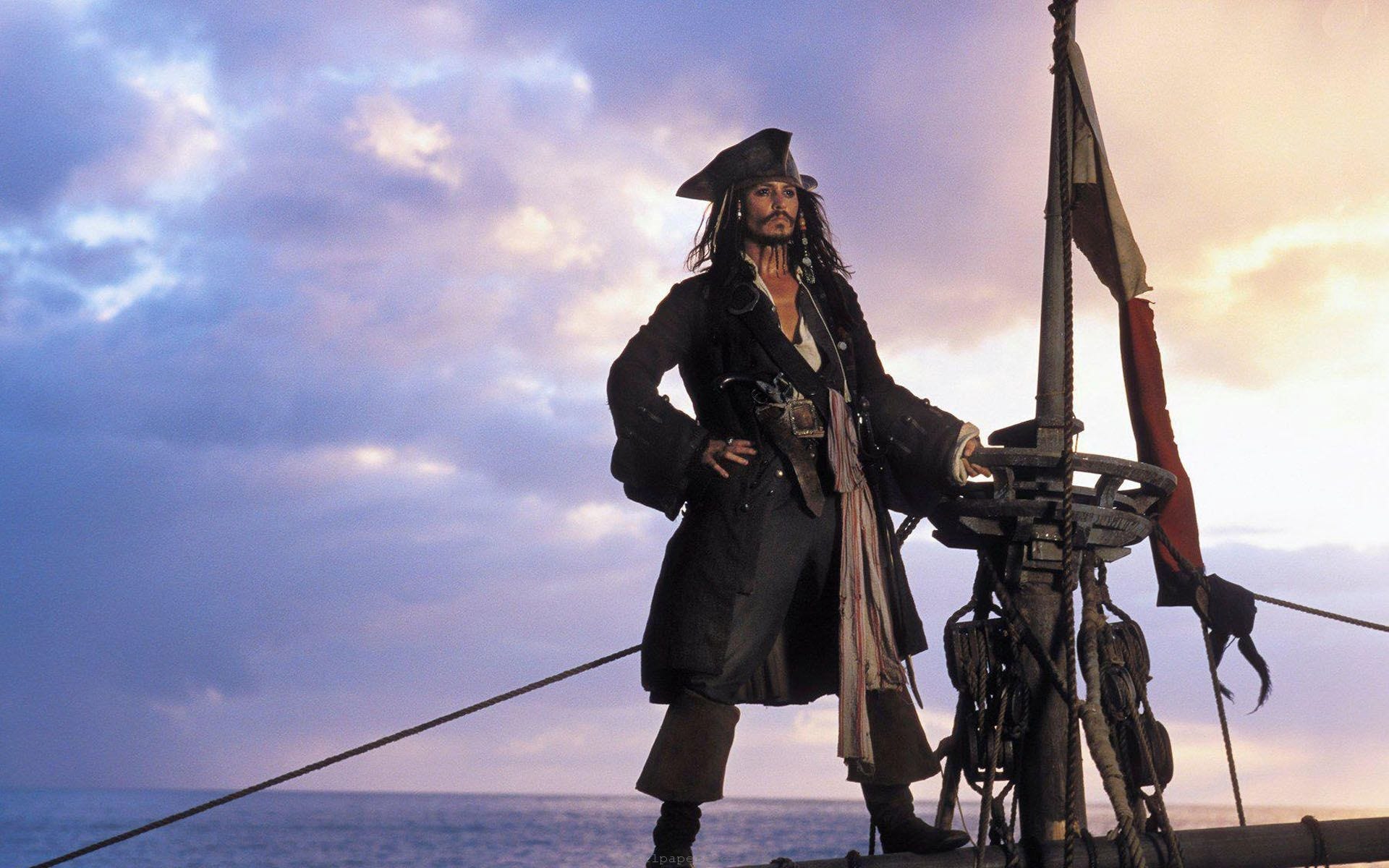
The introduction of Captain Jack Sparrow in Pirates of the Caribbean: The Curse of the Black Pearl might be one of the most efficient pieces of character writing in modern blockbuster cinema.
Everything about the framing suggests we’re about to meet a legendary pirate captain.
And then the camera pulls back and we realise the “ship” is actually a tiny boat (which is currently sinking).
He stops as he notices the hanging pirates at the harbour entrance, and he gives a salute.
This introduction tells us everything we need to know about this character.
His values and fears is demonstrated through his reaction to the hanging pirates. The scene shows how he can think himself out of almost any situation and how he approaches problems.
He’s clever and extremely aware of people’s perception, but also how to use people’s perception off him to his advantage.
That’s why- when the dock is slowly sinking into Port Royal, he’s proudly walking on to the dock as if it was his plan all along.

When the introduction becomes the character’s philosophy
Now compare that with the introduction of The Joker in The Dark Knight, directed by Christopher Nolan.
The film opens with a bank robbery carried out by a group of criminals wearing clown masks. We follow them as they move through the carefully planned steps of the heist while casually discussing the mysterious mastermind behind it — someone they refer to simply as “the Joker.”
As the robbery unfolds, something unusual begins to happen.
Members of the crew start eliminating each other, each believing the instruction came from the Joker himself. The plan slowly reveals itself to be structured in a way that ensures each participant unknowingly contributes to the removal of another.
Until only one remains.
When he finally removes the mask, revealing himself as the Joker, the scene doesn’t feel like a twist so much as a confirmation of what we have just witnessed.
Because by that point the film has already shown us who he is.
Through the structure of the heist, we understand that this is someone who thinks several steps ahead. Someone who sees people as pieces within a larger plan. Someone who is comfortable letting chaos unfold as long as he remains the one orchestrating it.
Again, the introduction works because it relies on behaviour rather than explanation.

If you look at many memorable character introductions, a pattern begins to appear.
They rarely begin with explanation.
Instead, they begin with a situation, and then allow the audience to observe how the character responds to it.
If you’re thinking about introducing a character in your own story, it can sometimes help to ask a very simple question:
What situation would reveal this character the fastest?
Place them in a moment where something goes slightly wrong. A small crisis, an awkward encounter, an unexpected obstacle.
Then explore how they respond.
Do they try to control the situation?
Do they hide the mistake?
Do they help someone else?
Do they double down?
And once the audience understands how someone behaves when things begin to unravel, they usually know enough to decide whether they want to follow that character further.
Comment - If I say iconic character introduction, who comes to mind?
All my love,
Elin
Thank you for being here, for being you, and for supporting a space where we get excited about stories and ideas in a noisy world.
its not particularly dramatic, but dumbledore's appearance in the first harry potter book really strikes me. we take in his strange clothes, the deluminator that he used to click off all the lights, his weird watch, everything suddenly magical and mysterious. it sets the tone not only for dumbledore himself but for the rest of the series.
this came to me at the right time as i’m writing my manuscript! yes, characters reacting to situations and how they do it is certainly more effective than just “telling” us who they are.